Celebrating his 83rd birthday March 22, Houston A. Baker, Jr. is a scholar s an American scholar specializing in African-American literature and Distinguished University Professor of English at Vanderbilt University. Here are a few of his books:
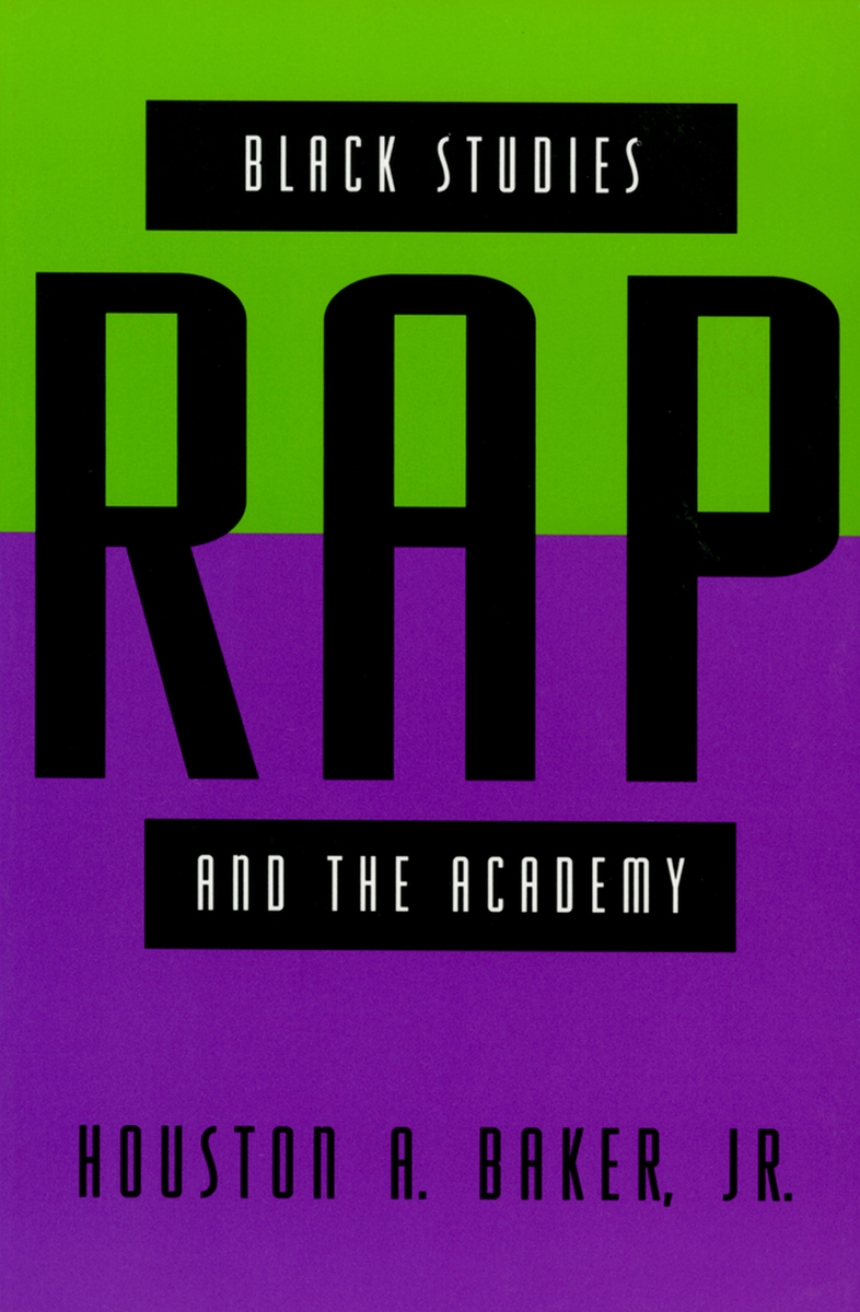
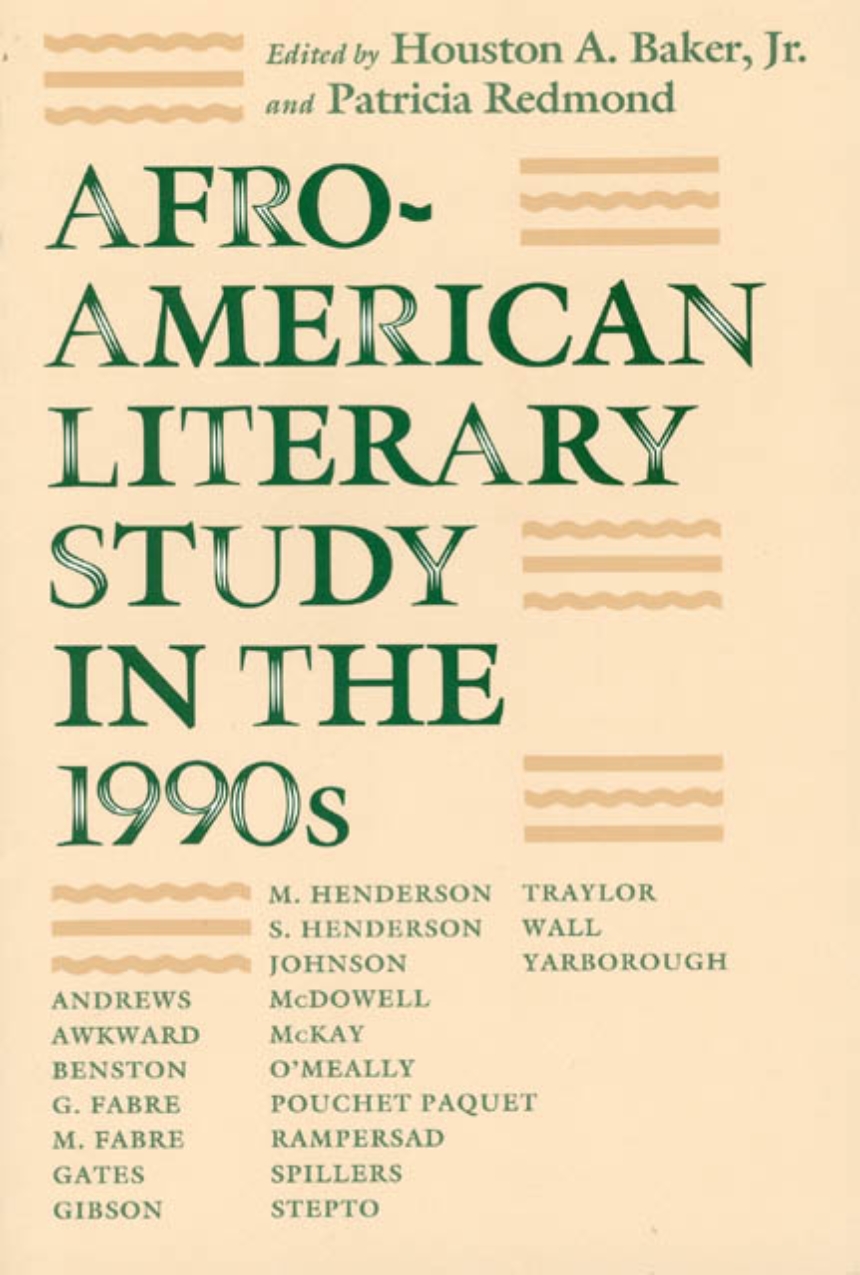

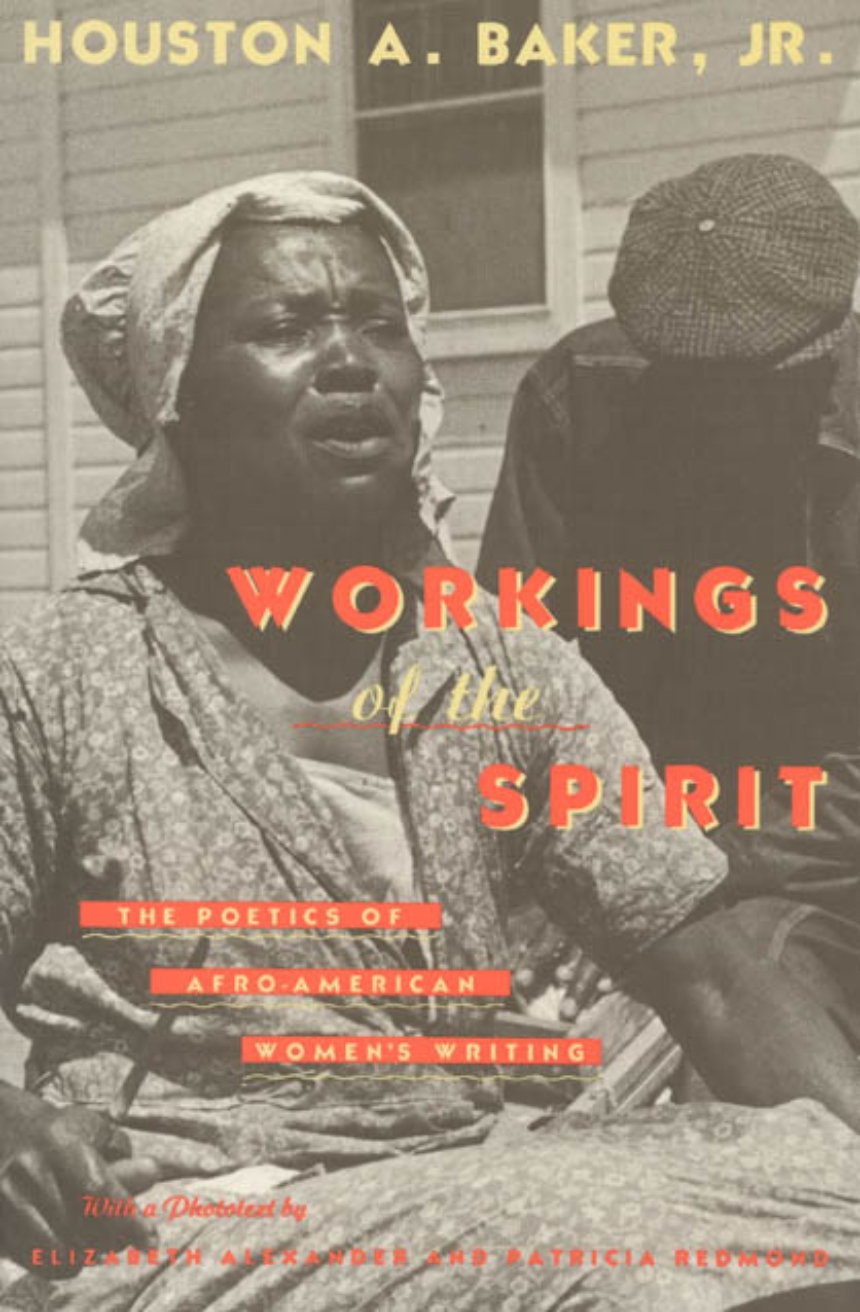
Celebrating his 83rd birthday March 22, Houston A. Baker, Jr. is a scholar s an American scholar specializing in African-American literature and Distinguished University Professor of English at Vanderbilt University. Here are a few of his books:
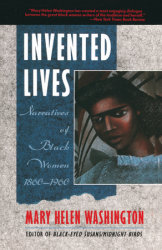
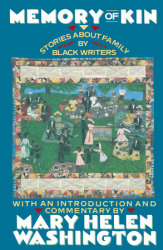
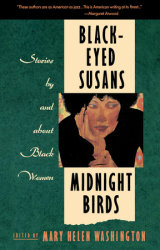
Born January 21, Mary Helen Washington is an African American literary scholar who is the author of numerous books on the African-American female experience.
Her most notable books are can be found here:
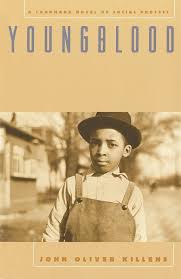
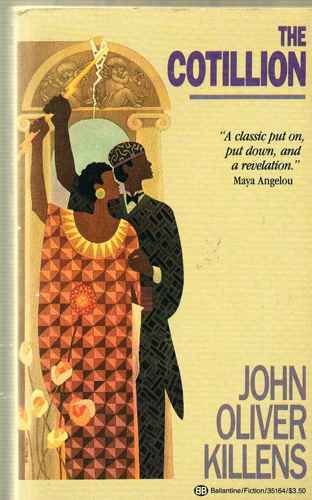
Born January 14, John Oliver Killens wrote several novels, two of which were nominated for the Pulitzer Prize for fiction: And Then We Heard the Thunder and The Cotillion, or One Good Bull is Half the Herd. More information about John Oliver Killens can be found here

Born January 15, 1933, Ernest J. Gaines is an African American author of eight novels and several short stories. Three novels became movies: A Lesson Before Dying, The Autobiography of Miss Jane Pittman, and A Gathering of Old Men. One short story, The Sky is Gray, was adapted for a movie. More information about his books can be found here
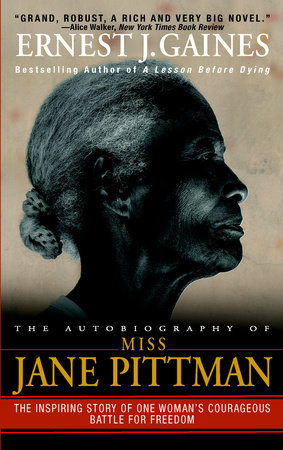
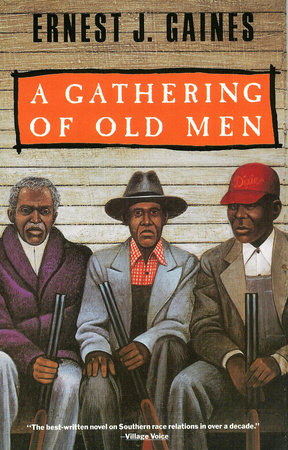
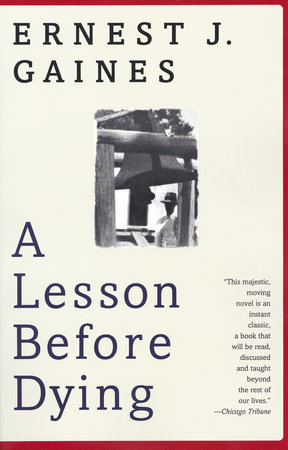
There is also an award given to a rising African American author: The Ernest J. Gaines Award for Literary Excellence
Toni Cade Bambara, born on March 25 in 1939, is March 25 Woman of the Day. Read about this author, film-maker, and college professor here:
Other resources on Ms. Bambara:
Lesson plans on Ms. Bambara’s stories: http://www.webenglishteacher.com/bambara.html
Pearson Prentice Hall: http://www.phschool.com/atschool/phlit/author_bios/bambara_tc.html
Voices From the Gap, University of Minnesota: http://voices.cla.umn.edu/artistpages/bambaraToni.php
The Bombing of Osage Avenue, a documentary written and narrated by Toni Cade Bamabara: http://www.youtube.com/watch?v=uVbOlY7svfE
Books written by Toni Cade Bambara:
Gorilla, My Love
The Salt Eaters
These Bones Are Not My Child
The Sea Birds Are Still Alive
I stumbled on this post and want to share the link here.
Ralph Waldo Ellison, the author of the classic book Invisible Man was born on March 1. Information on this author can be found by clicking on the following links:
Library of Congress. Type Ralph Ellison in the search box and view hundreds of primary resources on this author at http://loc.gov
PBS: http://www.pbs.org/wnet/americanmasters/episodes/ralph-ellison/an-american-journey/587/
NPR: http://www.npr.org/templates/story/story.php?storyId=9977702
Lesson plans/activities on Invisible Man
Random House: http://www.randomhouse.com/highschool/catalog/display.pperl?isbn=9780679732761&view=tg
PBS: http://www.pbs.org/newshour/extra/lessons_plans/ralph-ellisons-invisible-man/
Ms. Effie’s LifeSavers for Teachers: http://mseffie.com/AP/Invisible%20Man.pdf
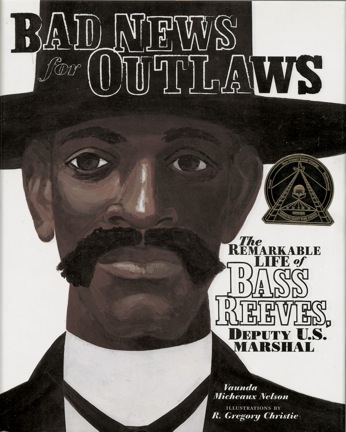
During Black History Month, I like to learn about relatively unknown African Americans, some who may be called “unsung heroes.” One such person was Bass Reeves, an African American Deputy U.S. Marshall. Thanks to award winning author, Vaunda Micheaux Nelson, and award winning illustrator, R. Gregory Christie, together they created the book, Bad News for Outlaws The Remarkable Life of Bass Reeves, Deputy U.S. Marshall. This title is available in hardcover library binding, Kindle, audible, and paperback.m
Bass Reeves was born into slavery in 1838. Although he had a tough life, he had a strong sense of right and wrong that many people admired. The Indian Territory was a haven for many outlaws. When Judge Isaac Parker tried to bring order to this territory, he chose Bass to be a deputy U.S. marshal. Bass proved to be the best man for the job.
Bass worked more than thirty years capturing more than 3000 outlaws. His techniques were cunning, respectful, and peaceful. Violence was Bass’ last resort. As a result of Bass’ techniques, he killed only 14 men in the line of duty. To read how he accomplish this, you must read the book.
Nelson’s thorough research of Bass Reeves’ and her storytelling skills is evident at the beginning of the story. Readers will immediately be drawn into the story when they read the first sentence: “Jim Webb’s luck was running muddy when Bass Reeves rode into town.” Christie’s illustration on the next page captures the fear on Jim Webb’s face, and the quiet, solemn demeanor of Bass Reeves chasing him. Young readers will recognize the themes of justice and fairness, and love the large images of Big Bad Bass Reeves and also the fine attention to details. Once you read this story, you will love it too and include it in your collection.
Additional resources, both print and electronic, on Bass Reeves are listed below.
Burton, Art T., Black Gun, Silver Star: The Life and Legend of Frontier Marshal Bass Reeves
Paulsen, Gary., The Legend of Bass Reeves
NPR: Bad News for Outlaws http://www.npr.org/books/titles/195248918/bad-news-for-outlaws-the-remarkable-life-of-bass-reeves-deputy-u-s-marshal
Telegraph: http://www.telegraph.co.uk/culture/film/10131675/Was-the-real-Lone-Ranger-black.html
National Park Service: http://www.nps.gov/fosm/historyculture/bass_reeves.htm
Times New Record: http://swtimes.com/sections/news/special-reports/bass-reeves-former-slave-lived-unusual-life.html
The Life and Times of Deputy U.S. Marshall Bass Reeves: http://mentalfloss.com/article/33537/life-and-times-deputy-us-marshal-bass-reeves
Activities:
https://childrenslit-socialstudies.wikispaces.com/Bad+News+for+Outlaws+Reinforcing+Activity
http://www.islma.org/2012BluestemResources/BadNewsOutlaws.pdf
 The CamaraIfe Maktaba